For generations, the “European Dream” looked remarkably similar across the continent. Whether you were in the suburbs of Dublin, the arrondissements of Paris, or the hills of Tuscany, the milestones were set in stone: get a degree, secure a stable job, and sign a mortgage deed before your 30th birthday. Property wasn’t just a roof over your head; it was the ultimate marker of adulthood and your primary vehicle for wealth accumulation.
But as we settle into 2026, that script hasn’t just been rewritten—it’s been shredded.
With interest rates stabilizing but remaining stubbornly higher than the “free money” era of the 2010s, and property prices in major capitals detaching completely from average wages, a new demographic cohort has emerged: The Forever Renter.
But here is the twist: for many Millennials and older Gen Zs, this isn’t a failure. It’s a strategic pivot. We are witnessing a psychological shift from “renting as a waiting room” to “renting as a lifestyle choice.”
The Math Ain’t Mathing (And That’s Okay)
Let’s address the elephant in the room: affordability. According to recent 2025 housing market data, the average price-to-income ratio in cities like Amsterdam, Lisbon, and Munich has reached historic highs.
For a 32-year-old marketing manager in Berlin, saving for a 20% deposit while paying 40% of their income in rent is a Sisyphus-style endeavor. The old advice—”rent is dead money”—ignores the opportunity cost of locking up €100,000 in a single, illiquid asset that requires constant maintenance.
In 2026, savvy Europeans are running the numbers differently. They are calculating the “Total Cost of Un-ownership.” When you factor in property taxes, maintenance (which has skyrocketed due to labor shortages and material costs), and mortgage interest, the monthly “burn rate” of owning often exceeds renting.
Many are choosing to keep their capital liquid, investing in diversified ETFs or starting businesses, rather than burying it in bricks and mortar.
The Rise of “Premium Usersphip”
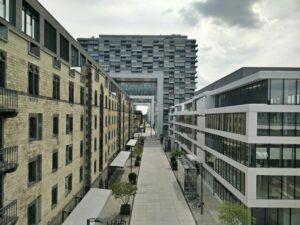
The market is finally catching up to this reality. We are seeing a move away from the fragmented, often unprofessional private landlord market toward Build-to-Rent (BTR) developments.
These aren’t your grim, grey tower blocks of the past. These are “living as a service” ecosystems. We’re talking buildings with dedicated co-working spaces, high-end gyms, communal roof gardens, and app-based maintenance that actually responds when the shower breaks.
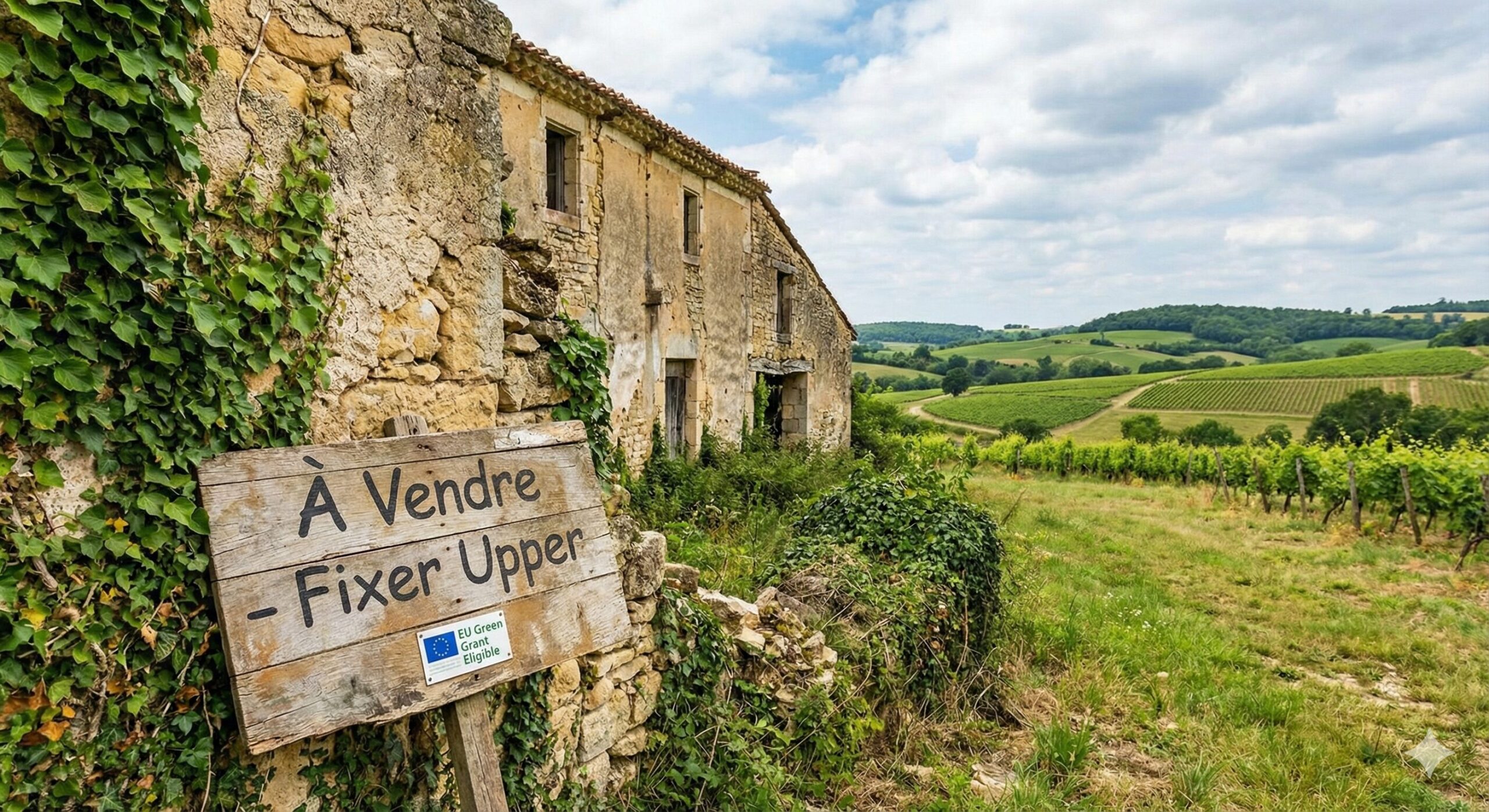
In cities like London and Madrid, these developments are selling a lifestyle that ownership can’t easily match. Why buy a fixer-upper in zone 4 with a leaky roof when you can rent a pristine apartment in zone 2 with a concierge and a cinema room? The “Forever Renter” is trading equity for flexibility and amenities.
The “Lock-In” Effect and Labor Mobility
There is another hidden driver here: the desire for freedom. The post-pandemic world normalized remote and hybrid work. While the “Digital Nomad” craze has cooled into something more stable, the desire to be able to move is still high.
Buying a home is a geographic anchor. Selling a property in France or Italy can take six months to a year, involving heavy bureaucracy and fees. For a generation that values experiences and career agility, being able to give two months’ notice and move to a new city—or country—is a massive asset.
The Policy Lag: We Need a “Renters’ Deal”
However, this shift isn’t without its perils. The “Forever Renter” lifestyle only works if the regulatory framework supports it. This is where Europe is currently a patchwork of contradictions.
- The Gold Standard: Austria (specifically Vienna) continues to prove that long-term renting can be stable and dignified, thanks to massive public housing stock and strict tenant protections.
- The Battleground: Spain and Portugal are currently wrestling with how to balance short-term holiday rentals (Airbnb) with long-term housing needs, implementing tighter zones and license restrictions in 2025.
- The Wild West: In cities with weaker protections, renters still face the anxiety of eviction or massive rent hikes.
For the “Forever Renter” model to be sustainable, we need a Europe-wide push for indefinite leases—the norm in Germany—where tenants can treat a property as their home for decades without fear of the landlord selling up on a whim.
Redefining Success
Perhaps the biggest hurdle isn’t financial or political, but cultural. We need to stop asking 35-year-olds, “When are you buying?” as if renting is a temporary embarrassment.
In 2026, success might not look like a 25-year mortgage on a semi-detached house. It might look like a diverse investment portfolio, the freedom to move for a dream job, and a high-quality rental apartment that doesn’t require you to fix the boiler on a Sunday morning.
The “Forever Renter” trap? Maybe. But for many, the door is wide open, and they’re choosing to stay inside. If you are renting, stop waiting for life to start. optimizing your rental situation (negotiating long leases, investing the difference) is a valid financial strategy in 2026.