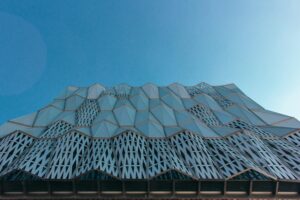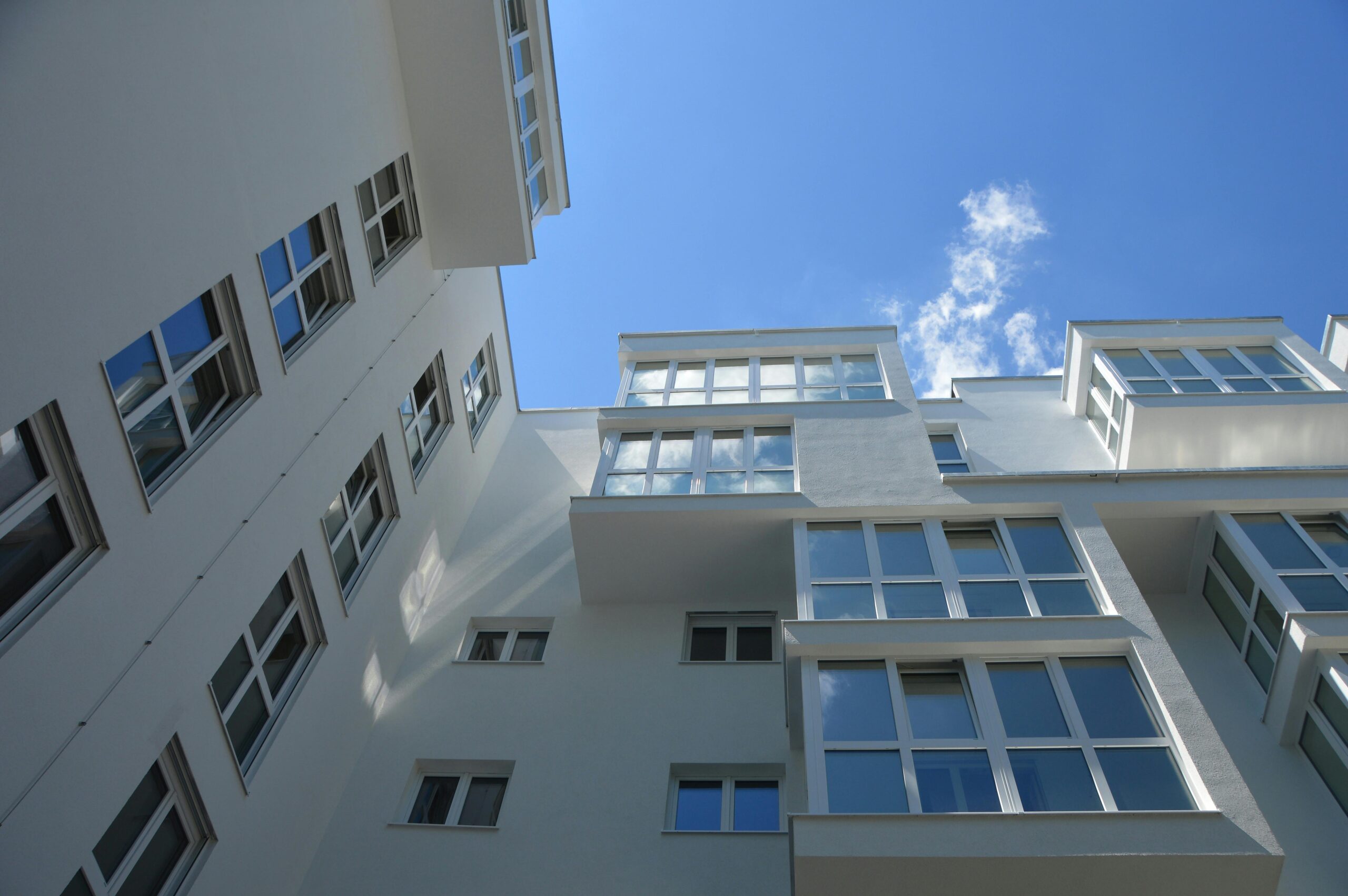
The buildings that will dominate European property markets in coming decades are being constructed today, and they look dramatically different from their predecessors. Passive houses that maintain comfortable temperatures with minimal heating systems, net-zero homes that generate as much energy as they consume, and buildings designed from the start for sustainability rather than retrofit: these represent the future toward which European real estate is moving. Agents who understand these emerging building types can serve clients seeking them while anticipating market shifts that will affect all property transactions.
The terminology can confuse those unfamiliar with the distinctions. Passive house refers to a specific certification standard originating in Germany that requires buildings to meet stringent efficiency requirements through design and construction rather than mechanical systems. Net-zero describes buildings whose annual energy production equals or exceeds consumption, typically through on-site renewable generation. Other standards and approaches exist, but understanding these leading concepts provides foundation for broader engagement with high-performance buildings.
Understanding Passive House Principles
Passive house design achieves remarkable efficiency through five key principles that work together as an integrated system. Understanding these principles helps agents appreciate what makes these buildings distinctive and why they command growing market interest.
Superinsulation creates building envelopes that dramatically reduce heat transfer compared to conventional construction. Walls, roofs, and foundations incorporate far more insulation than standard buildings, creating thermal barriers that maintain interior temperatures with minimal energy input.
Airtight construction eliminates the uncontrolled air leakage that accounts for substantial heat loss in conventional buildings. Careful sealing of all joints, penetrations, and junctions prevents cold air infiltration and warm air escape that would otherwise undermine insulation benefits.
Thermal bridge-free design addresses the weak points where heat escapes through structural connections that penetrate insulation layers. Passive house construction details prevent these thermal bridges through innovative connections and continuous insulation strategies.
High-performance windows and doors use triple glazing, insulated frames, and careful installation to prevent the heat loss that makes standard windows and doors efficiency liabilities. These components maintain comfort near glass surfaces while allowing natural light.
Mechanical ventilation with heat recovery provides fresh air while capturing heat from exhaust air and transferring it to incoming ventilation. This system maintains excellent air quality without the heat loss that window ventilation would create.
Together these principles create buildings that need little heating or cooling to maintain comfort, with annual heating demands typically ninety percent lower than conventional construction. The implications for operating costs, carbon emissions, and occupant comfort are profound.
Net-Zero and Beyond
Net-zero buildings add energy generation to efficiency, typically through rooftop solar panels that produce electricity offsetting what the building consumes. The combination of dramatically reduced demand through efficient design and on-site renewable generation creates buildings with negligible net energy consumption.
Some buildings go beyond net-zero to become net positive, generating more energy than they use and exporting surplus to the grid. These properties potentially create income rather than energy costs, fundamentally changing the economics of property ownership.
Battery storage increasingly complements solar generation, allowing buildings to use their own electricity rather than exporting during generation periods and importing later. This storage capacity reduces grid dependence while maximising self-consumption of generated electricity.
The economics of net-zero construction continue improving as solar costs decline and energy prices rise. What was once a premium choice for environmentally motivated buyers increasingly makes straightforward financial sense. Buildings that produce their own energy become increasingly valuable as utility costs increase.
Market Dynamics and Premiums
High-performance buildings command market premiums that reflect both immediate practical advantages and anticipated future value appreciation.
Operating cost savings provide concrete financial benefits that buyers can calculate when comparing properties. A passive house that costs a few hundred euros annually to heat and cool versus a conventional home requiring several thousand offers dramatic ongoing savings that justify higher purchase prices.
Comfort advantages extend beyond financial calculations. The consistent temperatures, excellent air quality, and quiet interiors that characterise high-performance buildings create living experiences that conventional construction cannot match. Buyers who have experienced passive house comfort often refuse to consider alternatives.
Regulatory trajectory affects value assessment for sophisticated buyers thinking long-term. As efficiency standards tighten, buildings that already exceed future requirements avoid upgrade obligations that will burden less efficient alternatives. This regulatory protection supports value retention and appreciation.
Resale positioning benefits from early mover advantages in growing market segments. As demand for high-performance buildings grows and supply remains constrained, early purchasers may benefit from scarcity premiums that enhance returns.
Serving High-Performance Property Clients
Agents working with buyers seeking passive houses or net-zero homes need specific knowledge to serve them effectively.
Certification understanding helps evaluate claimed performance. Genuine certified passive houses have undergone rigorous testing and verification. Buildings marketed as passive or near-passive without formal certification may or may not actually achieve comparable performance. Knowing how to identify and interpret certifications prevents clients from purchasing properties that fail to deliver expected benefits.
Technical literacy enables productive conversations with specialist sellers and developers. Understanding the key principles and terminology of high-performance construction demonstrates competence that earns seller confidence while helping buyers evaluate options knowledgeably.
Network connections with developers, architects, and builders specialising in high-performance construction provide access to properties that may not reach conventional listing channels. The relatively limited supply of these buildings means proactive sourcing often serves clients better than passive market monitoring.
Performance verification helps buyers confirm that properties actually deliver claimed benefits. Energy bills from previous occupants, certification documentation, and professional assessments can validate performance claims that marketing materials cannot substantiate alone.
The New Build Opportunity
High-performance standards are increasingly becoming default specifications for new construction across European markets, driven by regulations, buyer preferences, and developer recognition that efficiency sells.
Understanding development pipelines in your market identifies emerging supply of high-performance properties. Developers planning passive house or net-zero projects represent sources of future inventory worth cultivating.
New construction representation provides opportunities to work with buyers seeking high-performance homes from the start rather than searching limited existing stock. These clients benefit from guidance through specification decisions, developer selection, and construction monitoring.
The agents who establish expertise in this segment now will be well-positioned as high-performance construction becomes mainstream rather than niche. What seems specialist knowledge today may become essential baseline competence tomorrow as market expectations evolve.