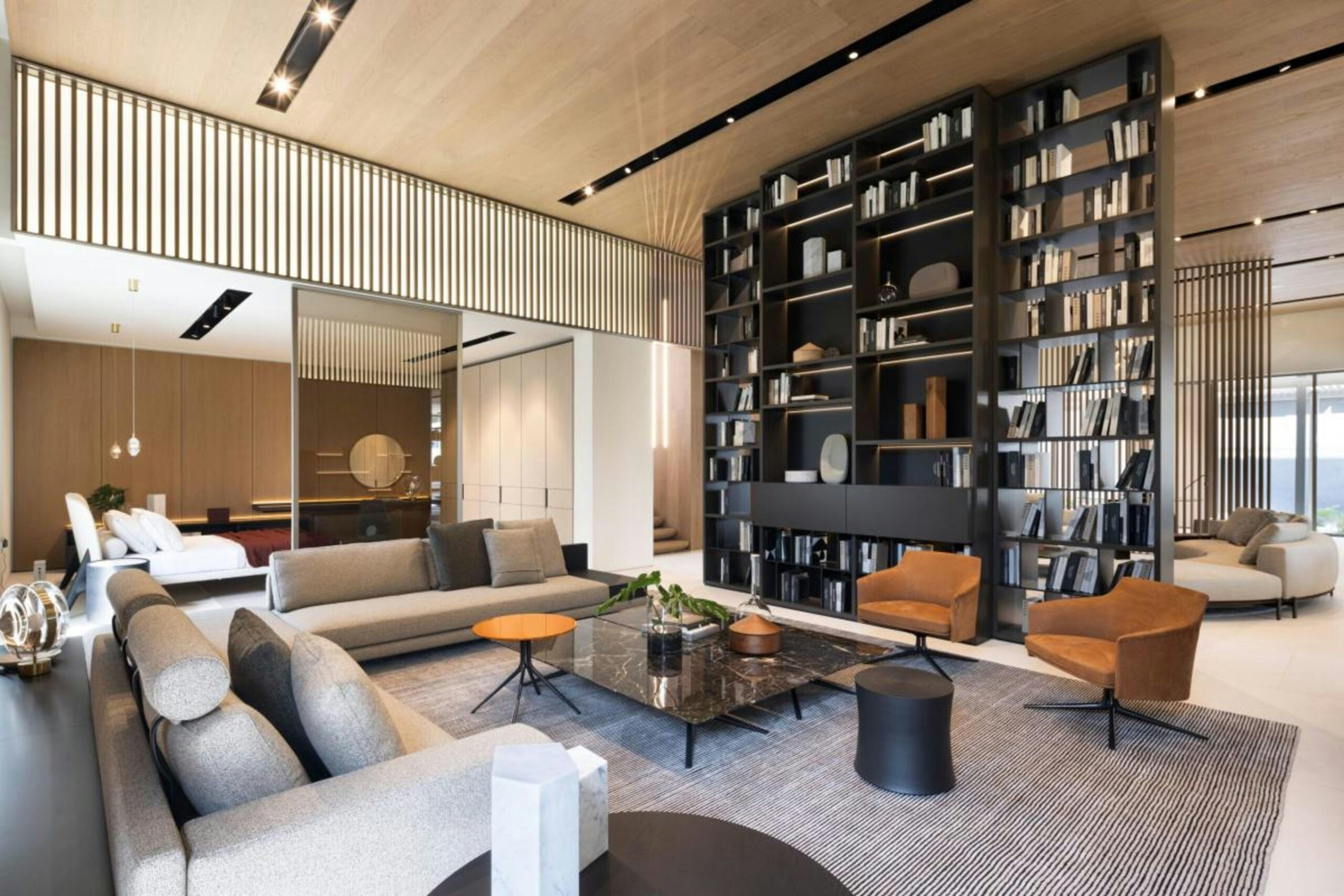
The Enduring Appeal of Danish Design
Walk into any stylish European home and you’ll likely spot mid-century modern pieces—tapered wooden legs, clean lines, organic curves, that unmistakable 1950s-1970s aesthetic that somehow never feels dated. What started as postwar Scandinavian design has become the most enduringly popular furniture style in Europe, commanding premium prices and fierce collector competition.
But here’s where it gets interesting: not all “mid-century modern” furniture is created equal. There’s a vast difference between a €50,000 original Hans Wegner chair and a €200 “mid-century inspired” reproduction. Understanding these distinctions helps you invest wisely—whether you’re buying originals, quality reproductions, or avoiding expensive mistakes.
Let’s navigate the mid-century market intelligently.
What Actually Defines Mid-Century Modern
The Time Period
True Mid-Century: 1945-1975 (postwar to mid-1970s)
Peak Design Era: 1950-1965 in Scandinavia, slightly later elsewhere
The Context: Postwar optimism, new materials (molded plywood, fiberglass), focus on accessibility and democratic design—furniture for everyone, not just wealthy.
The Design Characteristics
Form:
- Clean lines, minimal ornamentation
- Organic curves balanced with geometric elements
- Emphasis on function and comfort
- Visible wood grain celebrated, not hidden
- Tapered legs (iconic signature)
Materials:
- Teak, rosewood, walnut, oak
- Molded plywood innovations
- New materials: fiberglass, plastic, tubular steel
- Quality upholstery: wool, leather, high-grade fabrics
Philosophy: Form follows function. Honest materials. Accessible design. No unnecessary decoration.
The Scandinavian Dominance: Denmark, Sweden, Finland produced disproportionate share of iconic designs. Why? Cultural values aligned with design philosophy—egalitarianism, functionalism, quality craftsmanship.
The Iconic Designers Worth Knowing
Hans Wegner (Danish, 1914-2007)
Signature Pieces:
- Wishbone Chair (Y Chair) – €400-800 (new production by Carl Hansen)
- The Chair (Round Chair) – €5,000-15,000 (original), €3,000+ (new production)
- Papa Bear Chair – €8,000-20,000 (original)
Why He Matters: Designed over 500 chairs, many still in production. Wegner pieces represent pinnacle of Danish design—comfort, beauty, craftsmanship unified.
Investment Potential: Originals appreciate steadily. Authenticated pieces from 1950s-1960s command premium prices at auction.
Arne Jacobsen (Danish, 1902-1971)
Signature Pieces:
- Egg Chair – €8,000-12,000 (new), €15,000-30,000 (original)
- Swan Chair – €5,000-8,000 (new), €10,000-20,000 (original)
- Series 7 Chair – €400-600 (new production by Fritz Hansen)
Why He Matters: Architect and designer who created total environments. Pieces remain in continuous production—testament to timeless design.
The SAS Royal Hotel: Jacobsen’s 1960 Copenhagen hotel interior is mid-century pilgrimage site. Every detail designed by him, from furniture to cutlery.
Eero Saarinen (Finnish-American, 1910-1961)
Signature Pieces:
- Tulip Chair – €1,200-2,000 (licensed new), €3,000-8,000 (original Knoll)
- Womb Chair – €3,000-5,000 (new), €5,000-12,000 (original)
Why He Matters: Pushed boundaries with fiberglass and radical forms. Wanted to eliminate “slum of legs” cluttering modern rooms.
Production Note: Knoll still manufactures Saarinen designs under license—these are legitimate, not reproductions.
Alvar Aalto (Finnish, 1898-1976)
Signature Pieces:
- Paimio Chair – €2,500-4,000 (new Artek production)
- Stool 60 – €200-350 (new), €800-2,000 (vintage)
- Savoy Vase – €200-400 (new production)
Why He Matters: Pioneer of bent wood lamination. Designs feel more organic, less geometric than Danish counterparts.
The Finnish Difference: Aalto’s work incorporates more curves, warmer tones—reflecting Finnish forest culture versus Danish maritime influence.
Charles and Ray Eames (American, 1907-1978 & 1912-1988)
Signature Pieces:
- Lounge Chair and Ottoman – €6,000-8,000 (new Vitra), €15,000-40,000 (original Herman Miller)
- Plastic Shell Chairs – €300-500 (new), €1,000-3,000 (vintage fiberglass)
Why They Matter: Revolutionized furniture production with molded plywood and plastic. Democratic design at its finest.
European Production: Vitra holds European manufacturing rights. Their production quality equals original Herman Miller standards.
Original vs. Reproduction: The Critical Distinctions
Identifying Originals
Documentation:
- Original manufacturer marks/labels
- Production stamps with dates
- Provenance documentation
- Purchase receipts if available
Construction Clues:
- Hand-tied joints in older pieces
- Specific hardware types (screws, joiners) changed over decades
- Upholstery materials (modern foams didn’t exist in 1950s)
- Wood finishing techniques
Patina:
- Genuine wear patterns consistent with age
- Finish oxidation in expected areas
- Hardware showing appropriate aging
- Smell (old wood has distinctive scent)
The Expert Eye: Auction houses (Christie’s, Sotheby’s) employ specialists who authenticate. For expensive purchases (€5,000+), authentication worth the cost.
Licensed Reproductions (The Good)
What They Are: Manufacturers with legal rights producing original designs.
Examples:
- Fritz Hansen (Jacobsen designs)
- Carl Hansen (Wegner designs)
- Knoll (Saarinen, Platner, others)
- Vitra (Eames, Panton, others)
- Artek (Aalto designs)
The Value: These aren’t “reproductions” in negative sense—they’re authorized production using original specifications. Quality often equals or exceeds vintage pieces (modern materials, better quality control).
Investment Potential: Limited. You’re buying for use and beauty, not appreciation. They may hold value but won’t appreciate like originals.
The Advantage: No condition concerns, full warranties, perfect condition. For functional furniture, often better choice than fragile originals.
Unlicensed Reproductions (Proceed Carefully)
What They Are: Copies of designs (either expired patents or illegal reproductions).
Quality Range: From excellent (Italian reproductions) to terrible (Chinese knock-offs).
Legal Situation: Post-patent expiration (typically 25 years after designer’s death in Europe), designs enter public domain. Production becomes legal but ethically debated.
Price Points: €200-1,000 for quality reproductions of pieces that cost €3,000-8,000 authorized.
The Ethical Question: Designers’ estates argue it undermines their legacy. Others note democratic design principles intended affordability.
The Quality Issue: Construction, materials, proportions often slightly off. May look similar but feel different (wrong seat height, arm angles, cushion firmness).
Where to Buy: Navigating the Market
Auction Houses
The Major Players:
- Sotheby’s, Christie’s (high-end originals)
- Wright (Chicago—excellent mid-century sales)
- Bonhams, Rago Arts (specialized sales)
Advantages:
- Authentication guaranteed
- Provenance documented
- Access to rare pieces
- Competitive pricing (sometimes)
Disadvantages:
- Buyer’s premiums (20-25%)
- Condition varies
- Competition drives prices up
- No returns typically
The Strategy: Study catalogs, set maximum bid, inspect in person if possible. Factor restoration costs into budget.
Vintage/Antique Dealers
Specialized Dealers: European cities have dealers specializing in mid-century modern.
Advantages:
- Curated selection
- Often restored/refinished
- Dealer expertise
- Relationship building
Disadvantages:
- Higher prices than auction (dealer markup)
- Smaller selection
- Varying authentication quality
The European Market: Copenhagen, Berlin, Amsterdam, London have thriving mid-century dealer communities. Weekend markets often feature quality pieces.
Online Platforms
1stDibs:
- High-end, vetted dealers
- Global reach
- Authentication standards
- Premium prices (€3,000-50,000+ typical)
Pamono:
- European-focused
- Mix of dealers and private sellers
- Moderate to high-end
- Better prices than 1stDibs
eBay:
- Full range quality-wise
- Requires knowledge to avoid fakes
- Best for experienced buyers
- Potential bargains exist
The Risk: Online purchases prevent physical inspection. Request detailed photos, dimensions, condition reports. Factor shipping/insurance costs.
Estate Sales and Flea Markets
The Opportunity: Occasional treasures at fraction of market value.
The Reality: Requires time, knowledge, and luck. Most “mid-century modern” at flea markets is reproduction or damage-concealing optimism.
The Sunday Morning Strategy: Early arrival essential. Bring measuring tape, flashlight, magnifying glass. Know your designers and manufacturers.
Investment Potential: What Appreciates
Established Classics
Strong Performers:
- Hans Wegner major pieces (Papa Bear, Ox Chair)
- Arne Jacobsen icons (Egg, Swan)
- Early Eames pieces (original Herman Miller)
- Finn Juhl (Chieftain, Pelican)
Appreciation Rate: Quality authenticated pieces: 5-15% annually over past decade
The Reality: Already expensive. Entry point €5,000-20,000+ for major pieces.
Emerging Value
Growing Interest:
- Lesser-known Danish makers (Børge Mogensen, Poul Kjærholm)
- Swedish designers (Bruno Mathsson, Yngve Ekström)
- Italian mid-century (Gio Ponti, Franco Albini)
- Dutch design (Pastoe, Cees Braakman)
Current Pricing: €1,000-5,000 range—more accessible
Potential: As major names become unaffordable, collectors shift to quality alternatives.
What to Avoid (Investment-Wise)
Poor Investments:
- Damaged pieces unless rare (restoration costs exceed value gain)
- Unlicensed reproductions (no appreciation potential)
- Common designs in abundant supply
- “Mid-century style” modern reproductions
Caring for Your Investment
Regular Maintenance
Wood:
- Dust with soft cloth weekly
- Oil 1-2 times annually (teak oil, lemon oil)
- Avoid direct sunlight (fading)
- Control humidity (cracking)
Upholstery:
- Vacuum regularly
- Professional cleaning every 2-3 years
- Rotate cushions
- Address stains immediately
Professional Restoration
When Needed: Original pieces showing age often benefit from professional restoration—increasing both beauty and value.
Cost: €500-2,000 depending on piece complexity
Finding Restorers: Seek specialists in mid-century modern specifically. General furniture restorers may not understand period-appropriate techniques.
The Danish Approach: Copenhagen has exceptional restoration workshops serving collector market. Worth shipping valuable pieces for proper restoration.
The Bottom Line
Mid-century modern furniture represents intersection of art, design, and functional object. Whether buying €300 authorized reproductions for daily use or €15,000 originals as investment, understanding the market prevents costly mistakes.
The key decisions:
- Original vs. licensed reproduction vs. unlicensed copy
- Investment potential vs. functional furniture
- Condition vs. price (restoration changes equation)
- Iconic pieces vs. emerging values
For most European homes, mix makes sense: one or two investment-grade originals, quality licensed reproductions for function, careful selection of vintage pieces at accessible prices.
The beauty of mid-century modern is its timelessness. A well-designed piece from 1958 feels as contemporary and relevant in 2025 as it did nearly 70 years ago. That’s not trend—that’s genuine design excellence.
Your great-grandchildren might still be using that Wegner chair. Few furniture styles can claim that.
Resources:
- Authentication: liveauctioneers.com, 1stdibs.com experts
- Licensed Producers: fritzhansen.com, carlhansen.com, knoll.com, vitra.com
- Market Research: wright20.com (auction results), pamono.com