Beyond the Status Symbol
The €15 million Marbella villa with gold fixtures and ostentatious chandeliers? That’s old luxury—and increasingly, it’s what high-net-worth individuals are moving away from.
Today’s affluent property buyers in Spain are making different choices. They’re prioritizing wellness over square footage, sustainability over status symbols, and meaningful experiences over conspicuous consumption. The new luxury isn’t about impressing others—it’s about enriching your own life.
This fundamental shift is reshaping Spain’s premium property market, and understanding it is essential for anyone operating in the luxury segment.
The Wellness-First Property Philosophy
The pandemic accelerated a trend that was already emerging: wealthy buyers now view their homes as sanctuaries for physical and mental wellbeing, not just impressive addresses.
The Home as Health Hub
Modern luxury properties in Spain are being designed with comprehensive wellness facilities that rival five-star resort spas. We’re seeing 100+ square meter dedicated fitness spaces with professional-grade equipment, separate yoga studios, and integrated spa facilities including saunas, steam rooms, and treatment rooms.
The sophistication extends to biophilic design—living walls, natural materials, and abundant natural light aren’t decorative choices; they’re wellness strategies backed by research on stress reduction and cognitive function.
Affluent buyers are also investing heavily in invisible infrastructure: medical-grade HEPA filtration systems, whole-house water purification, and circadian lighting that adjusts color temperature throughout the day to support natural sleep-wake cycles.
Sustainable Luxury: The New Status Symbol
Environmental consciousness is no longer incompatible with luxury living—in fact, it’s becoming the ultimate marker of sophistication.
Energy Independence and Water Management
Forward-thinking luxury buyers are investing in comprehensive renewable energy systems—extensive solar arrays with Tesla Powerwall batteries, geothermal heating and cooling, and in some rural properties, small wind turbines.
Water management is equally sophisticated: greywater recycling, rainwater harvesting with 50,000+ liter cisterns, and advanced irrigation using moisture sensors and weather data. These aren’t environmental gestures—they’re practical systems ensuring property value as water regulations tighten.
There’s also a clear movement toward locally sourced materials. Spanish limestone, reclaimed wood from Andalusian estates, and natural lime plasters are prized for authenticity and environmental credentials. Buyers now ask about material sourcing, carbon footprint, and longevity.
Technology Integration: Invisible Intelligence
Smart home technology has evolved from novelty to necessity, but the approach has become more sophisticated.
The Seamless Experience
The new luxury standard isn’t showcasing technology—it’s making it disappear. Hidden motorized screens, concealed whole-home audio, climate control that anticipates preferences, and voice systems that understand natural language create effortless living.
Security has evolved toward “invisible sophistication”—perimeter thermal imaging with AI analytics, biometric access seamlessly integrated into hardware, and IoT sensors monitoring everything from HVAC performance to potential leaks. The goal: comprehensive protection without the fortress aesthetic.
The Shift from Ostentation to Authenticity
Perhaps the most significant change in luxury property preferences is aesthetic philosophy.
Understated Elegance
The “maximalist” approach—elaborate moldings, crystal chandeliers, ornate furniture—is giving way to what designers call “quiet luxury.” Clean lines, natural materials, and spaces that let architecture and views take center stage.
This doesn’t mean minimalist or sparse. It means intentional. Every element serves a purpose aesthetically or functionally. Quality is evident in craftsmanship and materials rather than quantity of decorative elements.
Cultural Integration
Affluent international buyers are increasingly seeking properties that reflect authentic Spanish architectural heritage rather than generic “luxury” aesthetics that could be anywhere in the world.
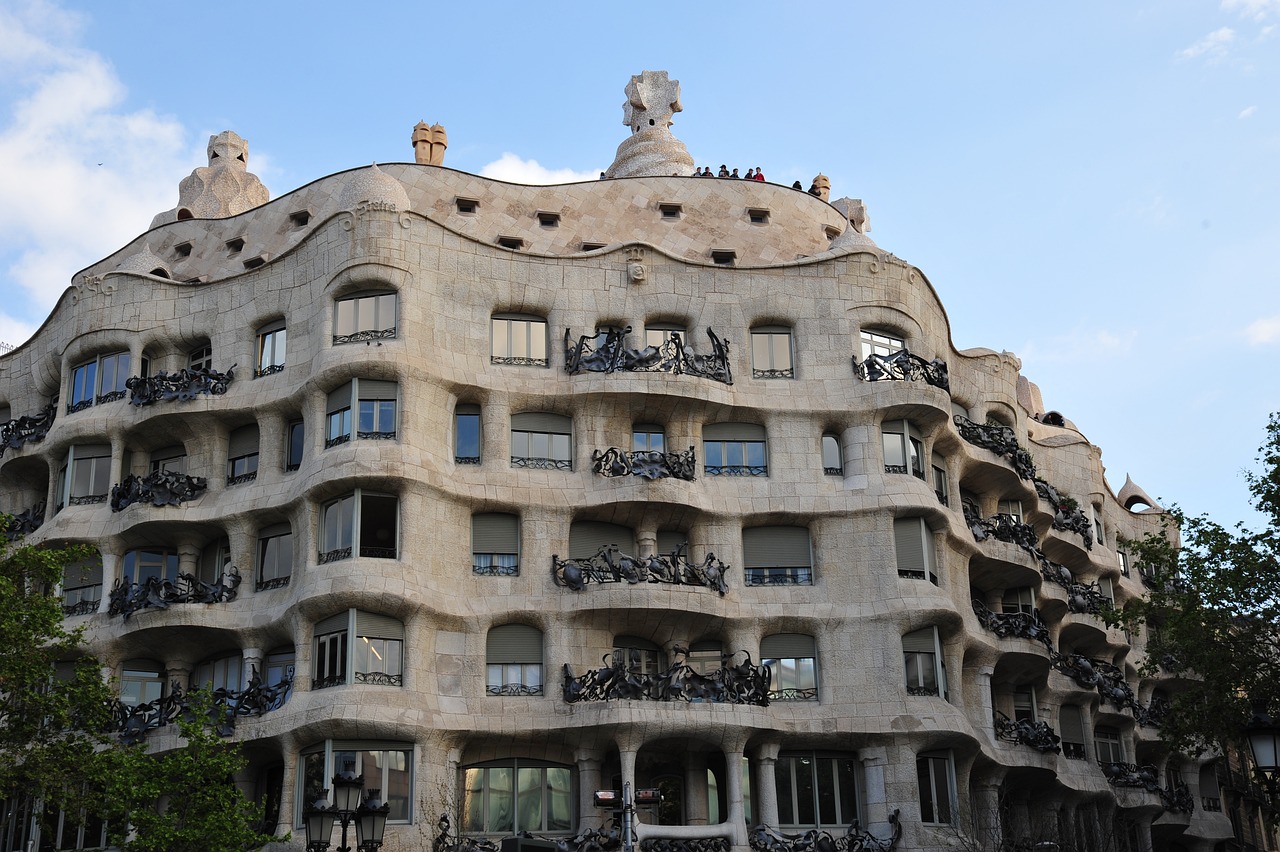
Restored cortijos (traditional farmhouses) with original stone walls and wooden beams. Modernist apartments in Barcelona’s Eixample with period features preserved. Contemporary designs that reference traditional Spanish architecture through material choices and spatial concepts.
There’s genuine interest in properties with history and character—not despite their age, but because of it. A 300-year-old estate with original details holds more cachet than a brand-new construction imitating old world style.
Art-Centric Living
For many high-net-worth individuals, art collecting is integral to property decisions. Properties now feature museum-quality lighting, climate control for preservation, and walls engineered for substantial weight. Dedicated climate-controlled storage allows for rotating displays.
Properties with substantial grounds are designed to accommodate large-scale sculpture installations, creating living gallery experiences. Interestingly, more buyers seek proper studio space for their own creative pursuits—the luxury of time and space to create represents a different kind of wealth.
The Privacy Premium
True luxury, wealthy buyers increasingly assert, is the ability to live completely privately when desired.
Private Estates vs. Gated Communities
While exclusive gated communities still appeal to many, there’s growing demand for completely private estates—single properties on substantial land with no shared facilities or neighbors within sight.
The appeal? Complete control over your environment, no community politics or fees, and privacy that can’t be compromised by other residents’ security lapses or guest behaviors.
Design for Seclusion
Properties are being specifically designed to create private zones invisible from any public vantage point. Pool areas completely enclosed by landscaping and architecture. Ground-floor master suites opening to private courtyards. Underground garage access that allows arrival and departure without exterior visibility.
Investment Intelligence
High-net-worth buyers focus on long-term wealth preservation rather than quick appreciation. This means prioritizing established luxury enclaves, timeless architecture, and substantial land holdings that can’t be replicated.
Equally important is “lifestyle ROI”—how much will this property enhance quality of life, generate family memories, and provide health benefits? For true high-net-worth individuals, lifestyle return often matters more than financial return, though they expect both.
Conclusion: Redefining What Matters
The evolution of luxury property preferences in Spain reflects a broader shift in how wealthy individuals define “the good life.”
It’s less about impressing others and more about optimizing personal wellbeing. Less about conspicuous consumption and more about sustainable quality. Less about following trends and more about authentic experiences.
For agents and developers serving this market, the message is clear: today’s luxury buyers are sophisticated, values-driven, and looking for properties that align with their evolved understanding of what true wealth makes possible.
The villa with the biggest pool is no longer the winner. The property that best supports health, happiness, and harmony with the environment—that’s the new luxury standard.